Where AI Actually Earns Its Place in a Product
Not every feature needs a model behind it. We break down how we decide when AI genuinely improves a workflow — and when a plain, fast interface serves the user far better.
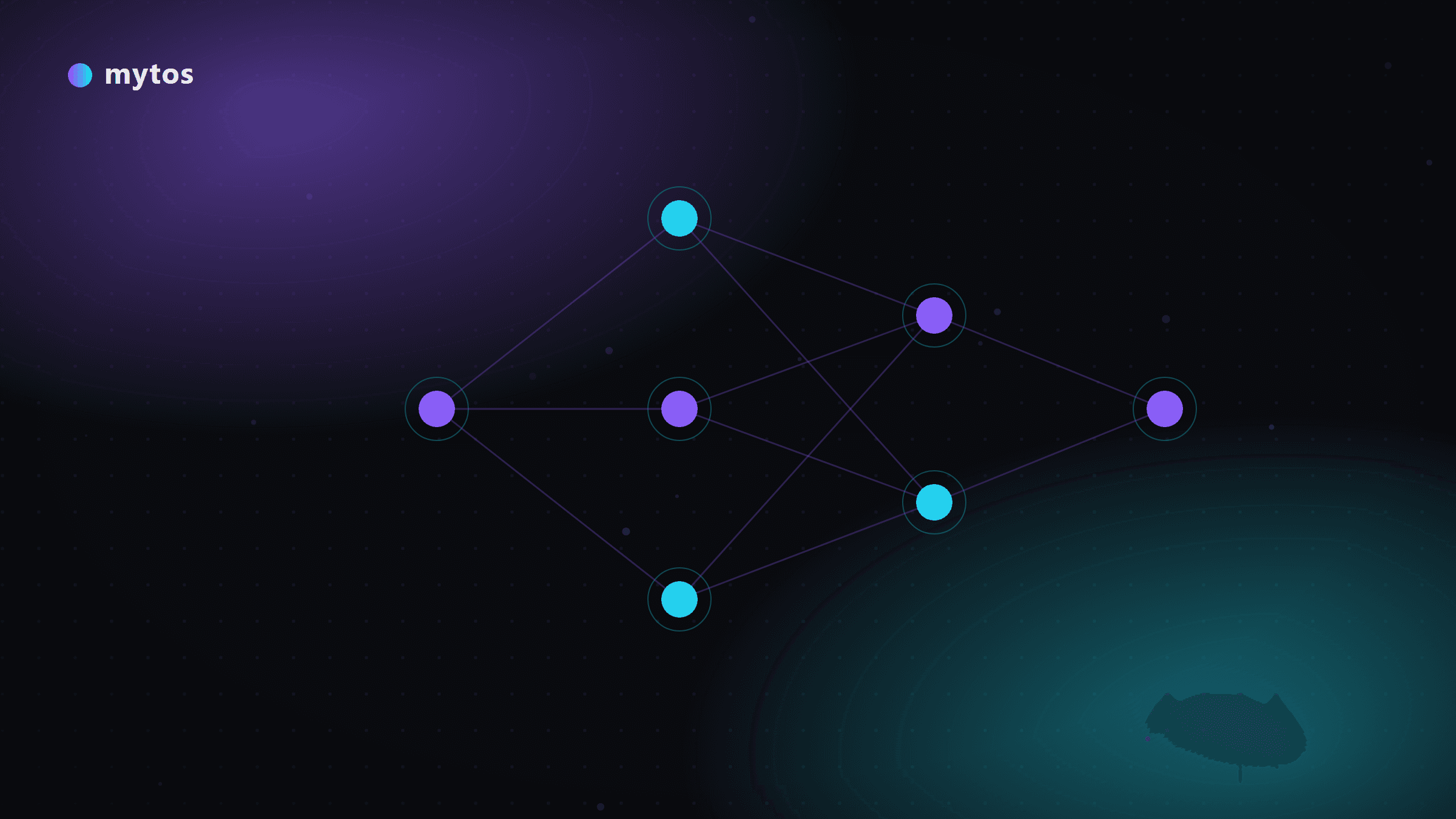
It is tempting to put AI behind every button. But a model that adds a half-second of latency and a chance of being wrong is not an upgrade over a plain interface that is instant and correct. So before we reach for AI, we ask a blunt question: does this genuinely make the user's job easier, or does it just sound impressive?
AI earns its place when the work is genuinely fuzzy — summarising long text, understanding messy natural language, surfacing the right item from thousands, or automating a judgement a human would otherwise repeat a hundred times a day. Those are problems a plain form cannot solve well.
It does not earn its place when a fast, predictable interface would serve better. A clear filter beats a chatbot that guesses. A well-designed form beats a model that hallucinates a field. Restraint here is a feature, not a limitation.
When we do integrate AI, we engineer around its weaknesses: grounding it in real data, controlling cost and context, and always leaving the user in control. The goal is software that feels smarter and stays reliable — not a demo that impresses once and frustrates forever.
Have a project in mind?
Let's engineer your solution
From a rough idea to a shipped, self-running product — we build fast, reliable digital products and solve the hard problems along the way.
Start a projectMore from the blog
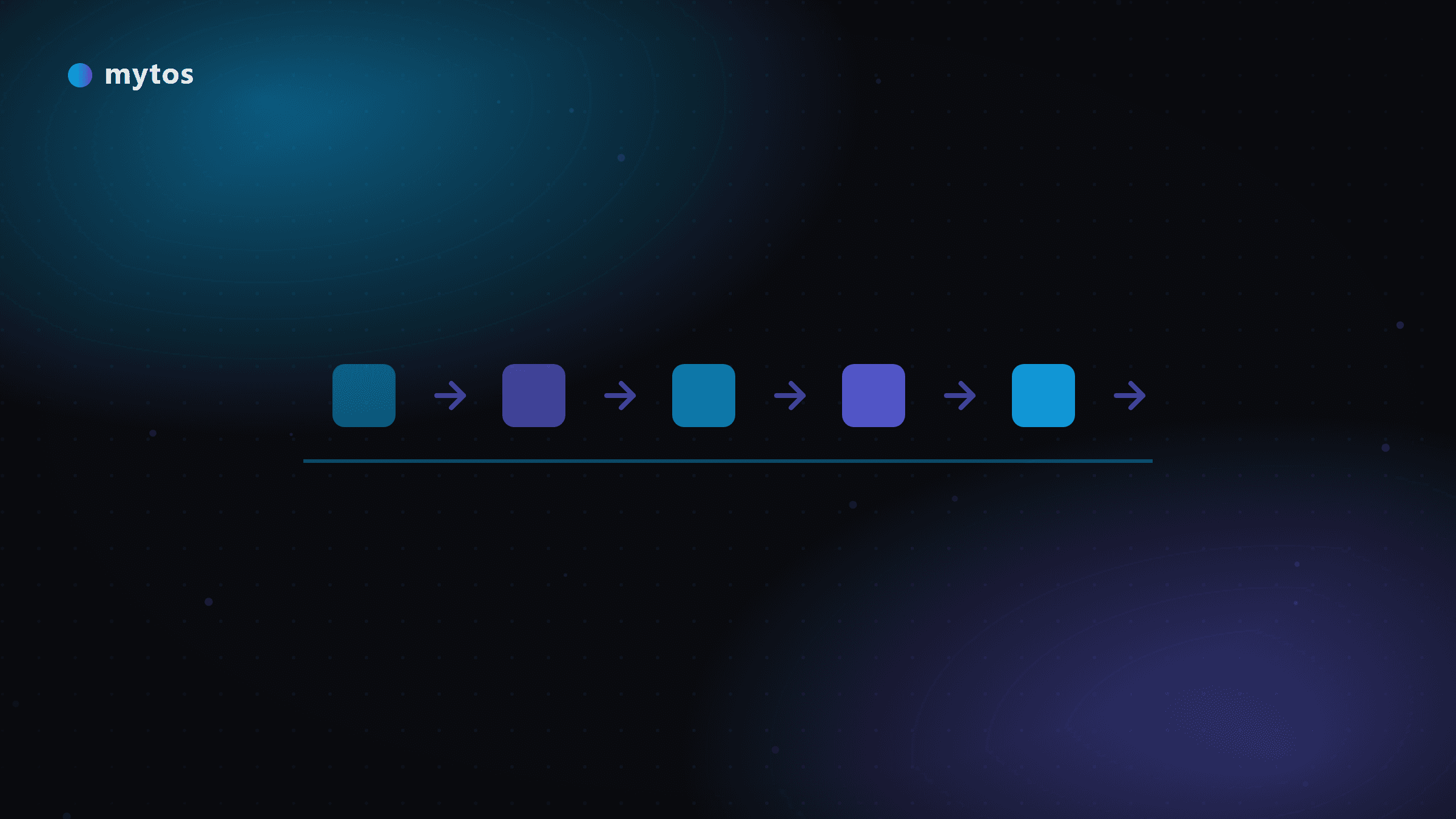
Automating the Boring Parts: Our Path to Autonomous Delivery
Every manual step is a step that can break. We walk through the automated pipelines — builds, tests, deploys, and monitoring — that let us ship faster with fewer mistakes and keep products running on their own.
Turning Manual Workflows Into Self-Running Systems
The biggest wins for our clients rarely come from a new page — they come from automating a process that used to eat hours every day. Here is how we turn repetitive workflows into systems that run themselves.

How We Scope a Product Before Writing a Single Line
Every project we take on starts with a discovery sprint, not a code editor. Here is the exact framework we use to turn a vague idea into a scoped, buildable roadmap our clients can trust.


