

Automating the Boring Parts: Our Path to Autonomous Delivery
Every manual step is a step that can break. We walk through the automated pipelines — builds, tests, deploys, and monitoring — that let us ship faster with fewer mistakes and keep products running on their own.
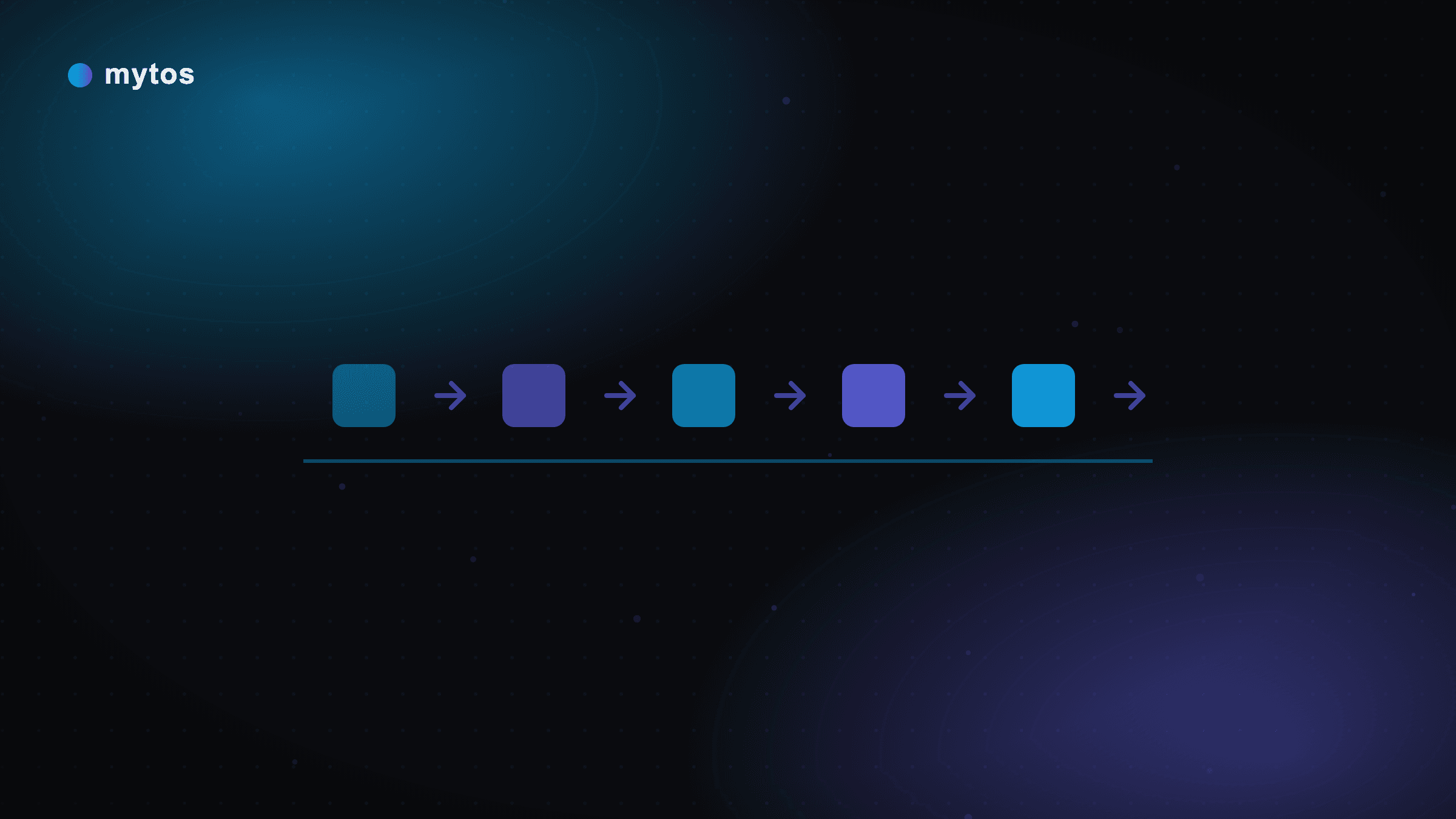
Every manual step in shipping software is a step that can break — a forgotten check, a mistyped command, a deploy that happened differently than last time. So we spent years removing those steps. Not to look modern, but because automation is simply how you ship faster and make fewer mistakes at the same time.
When code is ready, a pipeline takes over: it builds the product, runs the full test suite, checks performance against our budget, and deploys — the same way, every time. A human decides what ships. The machine handles how, without the human error.
Past the deploy, monitoring watches the running product so we do not rely on a customer to tell us something broke. Alerts fire, and in many cases the system heals or rolls back on its own. The boring, error-prone parts run themselves.
The result is delivery that is faster, calmer, and more reliable — and a team free to spend its attention on the hard, creative problems instead of babysitting a release checklist.
Have a project in mind?
Let's engineer your solution
From a rough idea to a shipped, self-running product — we build fast, reliable digital products and solve the hard problems along the way.
Start a projectMore from the blog
Where AI Actually Earns Its Place in a Product
Not every feature needs a model behind it. We break down how we decide when AI genuinely improves a workflow — and when a plain, fast interface serves the user far better.
Turning Manual Workflows Into Self-Running Systems
The biggest wins for our clients rarely come from a new page — they come from automating a process that used to eat hours every day. Here is how we turn repetitive workflows into systems that run themselves.
One Language or Many? Getting the Site Structure Right From Day One
A multilingual site doesn't mean double the traffic — it means double the maintenance. The questions we ask before deciding on a language structure, when prefixes like /tr are the right call, and why automatic language redirects break SEO.


